4 September 2026
Now the 2026 DSA Results Are Out: What Interview Coaches Saw This Cycle
The 2026 DSA-Sec outcomes are in. We went back to three interview coaches who prepared children for this cycle and asked what actually happened — how it went, what changed this year, and what they'd tell a family only starting to think about it now.

The 2026 DSA-Sec outcomes have been arriving over recent weeks — schools notify on a rolling basis, with all applicants due to hear by 28 August. For the families who were in it this year, the waiting is over. For the ones just starting to watch — parents of Primary 4 and 5 children wondering whether this is even a road they want to go down — the results season is the moment the whole thing suddenly feels real.
So we went back to three coaches who spent this year preparing children for the DSA interview, and asked them to look back on the cycle: how did it actually go, what felt different this year, and what would they say to a family only now starting to think about it. Reginald Thio is Founder of Ryse Education; Siew Ling Hwang is Founder and Interview Skills Coach at Discovering Potential; and Darren Tay, the 2016 World Champion of Public Speaking, is Founder of Public Speaking Academy. They answered separately — and between the celebration and the honesty, the same advice kept surfacing.
How this year actually went
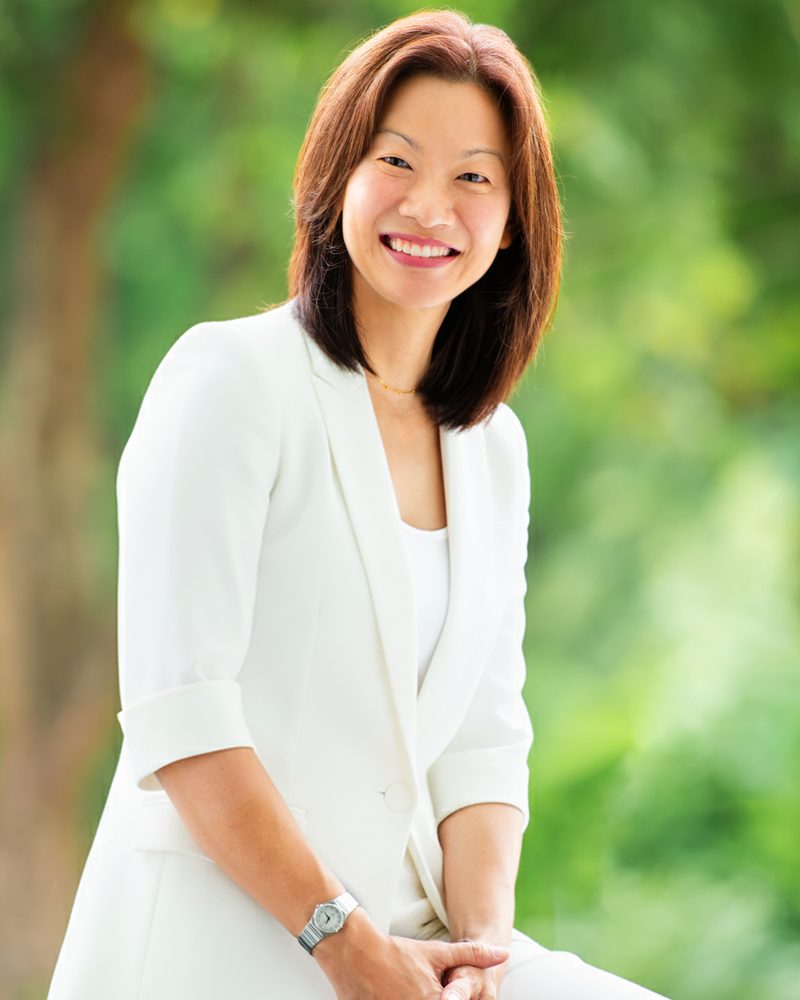
Start with the good news, because there was plenty of it. Siew Ling had a strong cycle:
"The children I worked with did really well this year. I have been coaching students for DSA interviews since 2019, and the number who came on board for coaching this year grew significantly. Many of them secured confirmed offers from their preferred schools."
— Siew Ling Hwang, Founder & Interview Skills Coach, Discovering Potential
But she was careful not to make the offer the whole story:
"That was, of course, a wonderful outcome, but my goal every year has always been to make the interview process a meaningful learning experience for each child, a life skill that can be put to use later on in their journey."
Reginald gave a more granular picture — and it's a useful one, because it shows the full spread of outcomes rather than only the wins. Of the six students he worked with directly this year across DSA and EAE:
"DSA-Sec: One with a Confirmed Offer (CO) to a target school, one with only a Waiting List (WL), and one whose three choices were rejected. … DSA-JC: 2 out of 2 received offers. Poly EAE: 1 out of 1 received an offer."
— Reginald Thio, Founder, Ryse Education
One offer, one waitlist, one unsuccessful, out of three DSA-Sec applicants. That's worth sitting with if you're new to this: even with coaching, even with a genuine talent, DSA-Sec does not come with a guarantee. Reginald's own read on why the outcomes varied is a signal in itself:
"It's anybody's guess, but it seems that many schools look closely at the child's P5 EOY results and not just CCAs/external activities."
That is his observation, not an official criterion — schools do not publish how they weigh what. But it lines up with something worth remembering: a DSA place is not a way around academics so much as a different door into the same building.
What felt different this year
Ask a coach what changed, and you learn more about the mood of a cycle than any statistic can tell you. For Siew Ling, the shift this year wasn't in the children — it was in the anxiety around them:
"One thing I noticed this year was the growing amount of pressure and uncertainty surrounding the DSA process. Families hear so much about what other children are doing and what schools are supposedly looking for. It is very easy for parents to get drawn into this 'talk bubble' and start reacting to everything they hear, even when they do not intend to."
Reginald pointed to a more concrete source of that uncertainty: the ground itself keeps moving. Schools hold complete autonomy over which talent areas they offer, and they can change them without much warning. This year's clearest example was Nanyang Girls' High School dropping its Mathematics and Science Olympiad DSA categories — a change we wrote about in detail in Is the DSA Pathway Narrowing?. As Reginald put it, families who had spent years single-mindedly targeting one specific domain at one specific school "found themselves caught off guard."
His practical lesson from that: agility beats rigid targeting. Building a child's entire plan around one school's one domain is fragile, because the school can simply remove the domain. He also expects the wider scheme to keep evolving — and he's right that MOE is reviewing it, though the timeline matters. MOE's review is running through public Education Conversations, no changes have been decided, the 2026 exercise is being completed under existing rules, and no changes have been announced for 2027; we lay out exactly what is and isn't changing in MOE Is Reviewing the DSA Scheme. The takeaway for a family planning ahead isn't panic — it's not to bet everything on any single school staying exactly as it is today.
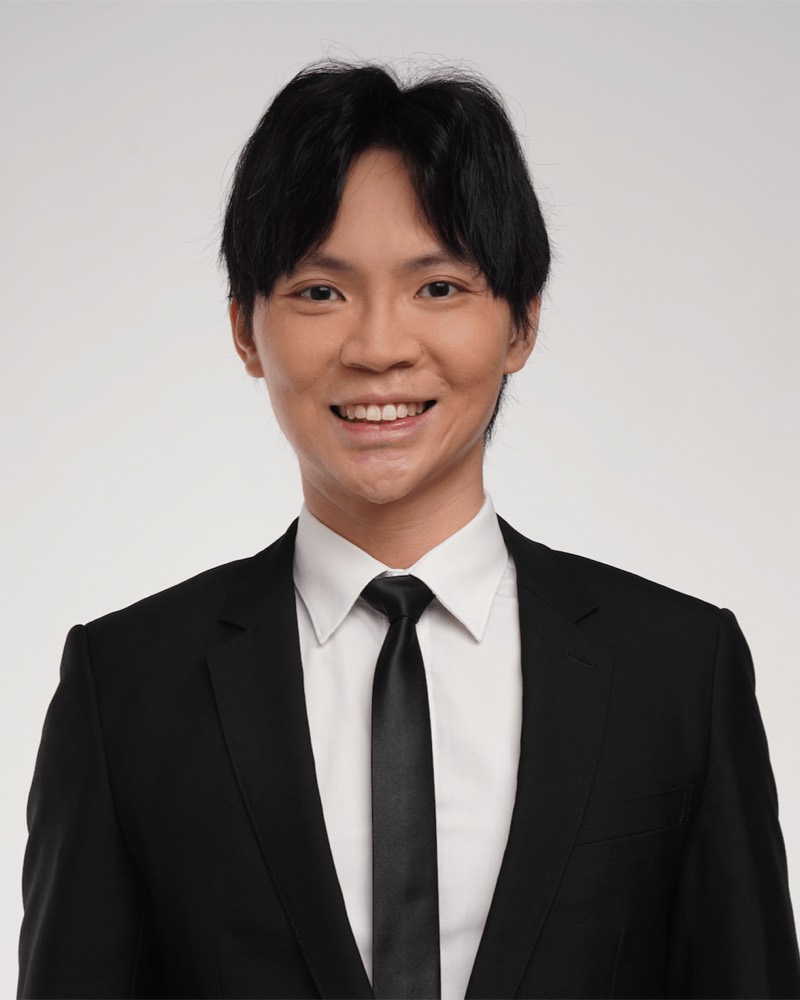
Darren Tay noticed the change inside the assessment itself — in what schools are choosing to test:
"One thing I noticed this year was a greater emphasis on the students' commitment to their CCA. For sports-related DSA in particular, some students were asked how they would juggle the rigour of their academic workload alongside the demands of training and their CCA. We also saw some interesting assessment formats beyond the conventional interview. For DSA via entrepreneurship, for example, students could be asked to work in groups to come up with a product or solution and then present their ideas. So schools aren't necessarily just looking at how well a student answers interview questions — they may also be observing how they collaborate, contribute ideas and communicate within a team."
— Darren Tay, 2016 World Champion of Public Speaking, Founder, Public Speaking Academy
Two things there matter for a family planning ahead. Schools are increasingly checking that a talent is real enough to hold up alongside academics — that's what the "how will you juggle it" question is really testing — and some are watching how a child works with others, not only how they answer on their own. Neither is something a child can cram in the final weeks.
What they'd tell a family starting now
Here is where two coaches, asked separately, said almost the same thing.
Siew Ling's advice was to turn the volume down:
"For families just starting out, my advice is to try to step away from that noise and keep the focus on your own child. Make decisions based on what your child is genuinely interested in and what will help them grow. Every child's journey is different."

Reginald arrived at the same place from the strategy side — warning specifically against building a portfolio to order:
"Focus on core passion, not try to game the system. Rather than building a portfolio tailored to what a specific school wants today, focus on intrinsic interests. If a child takes part in Science Olympiads, it should be out of a genuine curiosity for STEM. If they take on leadership roles or community service, it should spring from a real desire to contribute. Authentic commitment always shines through in an interview far better than a manufactured resume."
Darren added the part that only shows up once you have watched the timing go wrong:
"Start early. Building the know-how and confidence to handle interview questions is not something I recommend preparing for at the last minute. Ideally, students can start preparing the year before their DSA, or at least from the beginning of the DSA year. The goal isn't to memorise model answers, but to gradually become more comfortable articulating their experiences, strengths, motivations and ideas confidently and authentically."
— Darren Tay, 2016 World Champion of Public Speaking, Founder, Public Speaking Academy
Notice how closely these track. The "talk bubble" and the "manufactured resume" are the same mistake wearing different clothes — a child's path shaped by what other people are doing and what schools supposedly want, instead of by the child. Darren's "start early" is the same idea stretched over a longer timeline: authenticity isn't something you can assemble in the final weeks. And none of this only feels better to avoid — it interviews better, because a panel can tell the difference between a genuine interest and a curated one.
The reframe that takes the pressure off
Both coaches ended somewhere gentler than "how to win," and it's the part most worth carrying into a two-year runway.
For Reginald, the trick is to move the finish line:
"View DSA as a dress rehearsal, not the final destination. DSA is a great opportunity, but it shouldn't be treated as a make-or-break event. The activities built through authentic exploration — be it leadership, community initiatives, or deep subject passion — will serve a much larger purpose down the road. … If parents treat DSA simply as a warm-up to build their child's personal story and test their communication skills, any result becomes a win. Play the long game."
Siew Ling put the same idea in terms of what the child actually keeps:
"The aim is not to turn children into 'perfect' interviewees or give them answers to memorise. It is to help them find their own voice and become comfortable using it. A confirmed offer is a wonderful outcome, but the confidence and self-awareness they gain through the process can stay with them well beyond the DSA interview."
She has watched it happen up close. One girl this year, she recalled, "burst into tears even before we began" — and yet, over just two sessions, "became much more comfortable talking about herself and found the courage to share her aspirations." The confirmed offer came later. But by Siew Ling's account, the child had already gained the thing that mattered most before the outcome was ever known.
What this means for you
- A DSA place is not guaranteed — and that's normal. Even one experienced coach's cycle produced an offer, a waitlist, and an unsuccessful application across three DSA-Sec students. Go in hopeful, but plan as though the school place is the bonus, not the point.
- Don't build around one school's one domain. Schools can drop talent areas without much notice — as Math and Science Olympiad at NYGH did this year. Keep your child's development broad enough to survive a moving target.
- Turn down the noise. Both coaches named the "talk bubble" of what other families are doing as this year's biggest trap. Decisions made from a child's genuine interest hold up better — and interview better — than decisions made from rumour.
- Start early, and make the commitment real. Coaches now see schools probing whether a child can sustain a talent alongside academics — and, in some formats, watching how they work in a group. That kind of tested, genuine commitment is built over a year or more, not in the final fortnight.
- Play the long game. Treat the process as a rehearsal that builds confidence, a personal story, and the ability to talk about what you love. On that scoring, every child comes out ahead — offer or no offer.
If your child is only starting to explore this, begin with What is DSA-Sec?, and when you're ready to see who coaches your child's talent, browse the DSA coach directory. When interview season does come around, our DSA interview prep guide walks through how these interviews are actually run. For how this cycle's results looked in other talents, read our coach round-ups on the academic route, the sports route and the chess route. For what coaches in badminton, Bharatanatyam and debate all agreed on, see our cross-talent round-up, and for an English principal's take on the signal that makes a panel lean in, see finding your voice in the DSA interview. And for what happens after the interview — the three results outcomes and their deadlines — see our DSA results guide.
With thanks to Reginald Thio (Founder, Ryse Education), Siew Ling Hwang (Founder & Interview Skills Coach, Discovering Potential), and Darren Tay (2016 World Champion of Public Speaking, Founder, Public Speaking Academy) for sharing their reflections, and for their permission to quote them. Quotes are reproduced as sent, edited only for length and minor punctuation; omissions are marked with an ellipsis. Coaches' observations reflect their own experience and are not official MOE criteria. School talent-area changes are per the schools' official DSA pages; see the linked articles for sources. DSALink is an independent resource and is not affiliated with MOE.
Free · No spam
Get DSALink updates
New DSA guides on schools, interview prep and coaches, sent to your inbox from time to time. No spam.
Follow us
Daily DSA tips, school news, and quick guides across: