15 July 2026
The First DSA Trials Have Started. Three Singapore Coaches on the Last Few Days Before Yours
Shortlists have gone out and the first DSA interviews, trials and auditions are already happening. With days — not months — left, every instinct says drill harder. A drama coach and a dance panel explain why the extra polishing backfires; a debate coach explains what to do about the nerves.
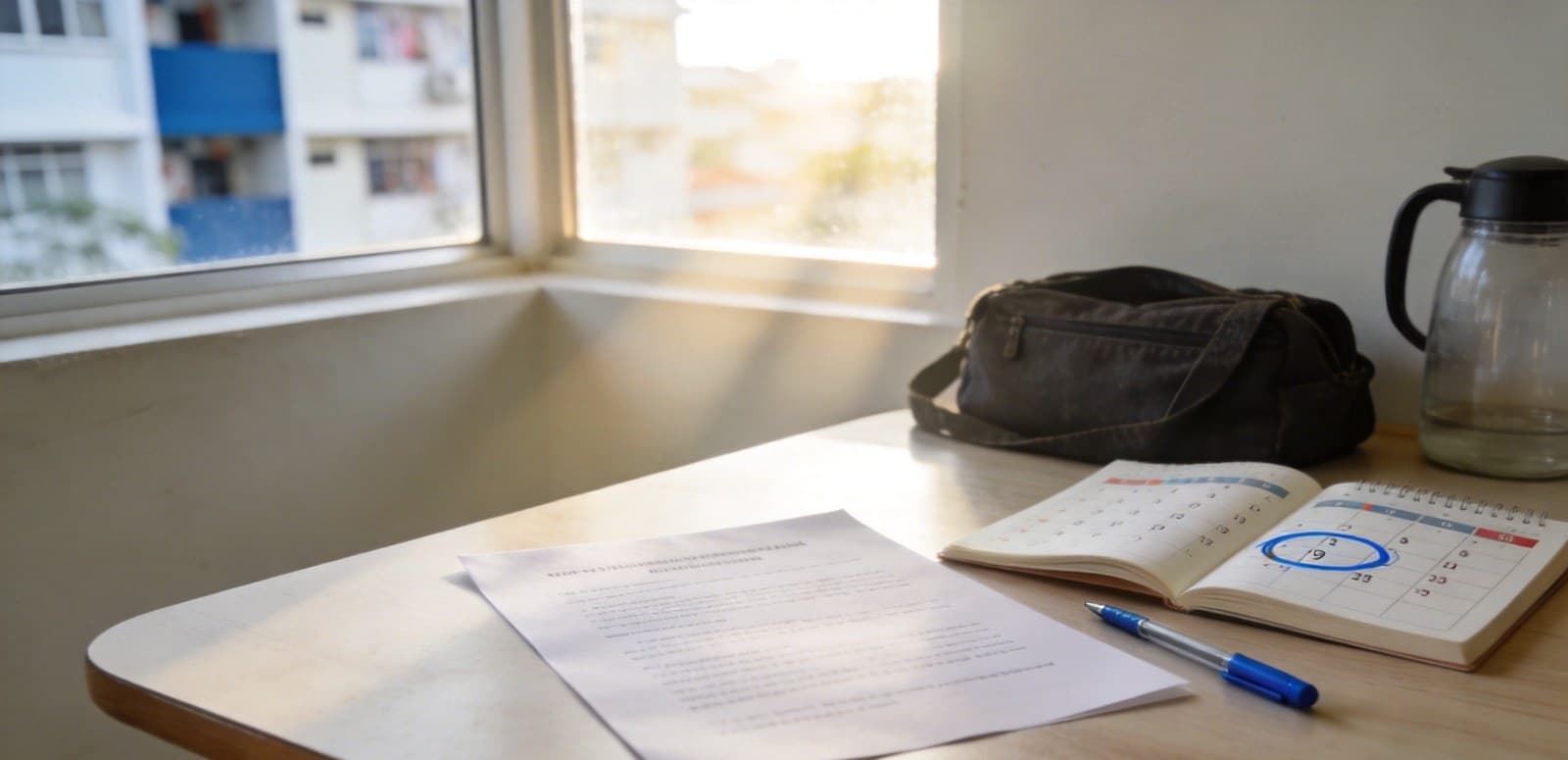
The shortlist emails have been landing since late June, and the first trials are already behind us — some schools ran their opening rounds in the first half of July, and interview windows are starting to open now. Other families are holding a date in August.
If your child's invitation has arrived, you are in a different phase from the one you were in last month. The application is long submitted. The wondering is over. There is a date on the calendar, and it is close.
This is the moment most families get wrong in a very specific way.
Where you actually are in the calendar
There is no national timetable for this part. MOE doesn't publish a central schedule for selection — each school sets and sends its own dates, which is why one family's trial lands this week and another's lands in three. A household with two shortlists can have both inside ten days.
What MOE does commit to is the end point: your child will receive the DSA-Sec application outcome by Friday, 28 August 2026.
So the window you're in now is short and lumpy, and it is the last part of this process you have any influence over. Which is exactly why it goes wrong. A compressed window makes parents want to add: another session, another mock, one more polish of the piece.
We put three questions to coaches across three DSA talent areas — drama, dance and debate. The two performing-arts coaches, asked separately and working in completely different rooms, said nearly the same thing: the extra polishing is the problem, not the solution.
The polishing trap
The most common way to spend the final days is to take the one thing your child will present and buff it to a shine. Both performing-arts coaches flagged it, from different angles.
For dance, the cost is physical:
"Many parents focus only on polishing one 'perfect' routine, but overlook consistent conditioning and audition stamina. The child needs to be able to warm up properly, body conditioned, able to stay focused, and dance confidently under time pressure and scrutiny, and in an unfamiliar set up during their audition, not just within a familiar dance studio."
— EV Dance
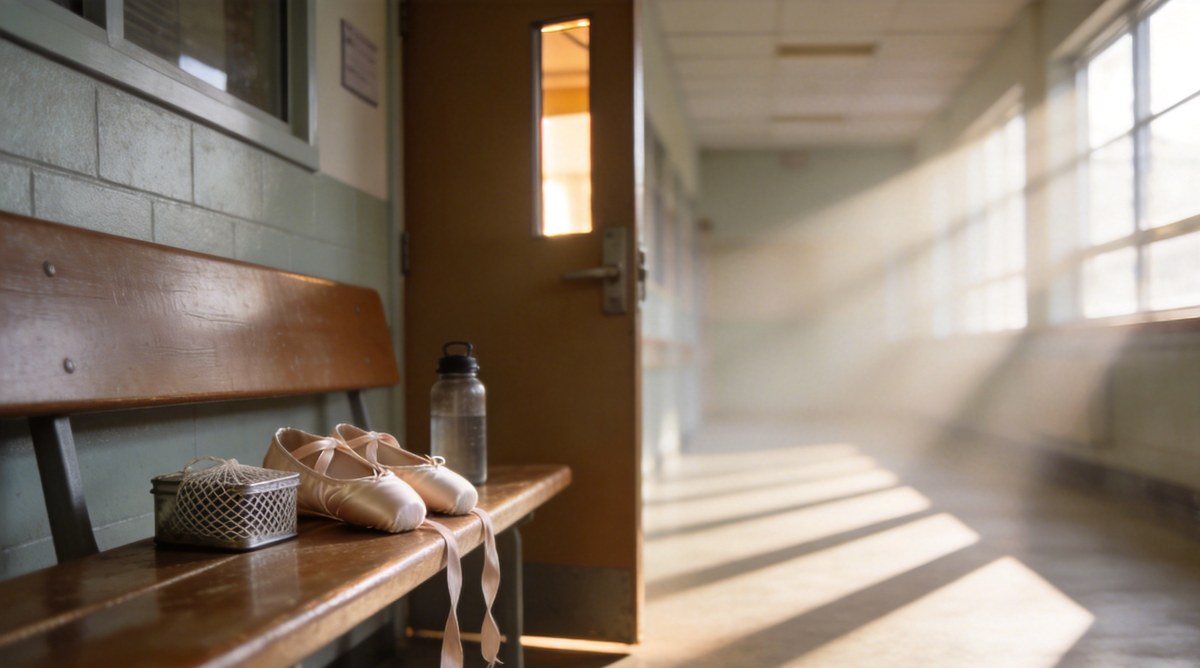
Read that again, because it reframes the whole fortnight. The routine drilled to perfection in a familiar studio still matters — but it is being performed by a body that has to warm up properly in a strange room and stay composed while a panel watches the clock. That second half is the part nobody trains.
For drama, the cost is psychological:
"The most common mistake is treating the audition as if it is simply about delivering a polished monologue. Of course, preparation matters, but schools are not just looking for a child who has been 'trained' to perform one piece well. They are looking for a young person with genuine interest, openness, imagination and the ability to respond in the moment. Sometimes parents focus so much on the finished performance that the child becomes tense, over-rehearsed or afraid to make a mistake."
— Peter Hodgson, Centre Stage School of the Arts
Afraid to make a mistake is the phrase to sit with. On Peter Hodgson's account, over-rehearsal doesn't just fail to help — it costs the child the openness the panel is looking for.
What the panel is actually watching
If not polish, then what? Here the two performing-arts coaches converge closely enough to be worth noticing.
Centre Stage, on drama:
"Schools are usually looking for potential rather than polish. Panels will often be interested in how the student takes direction, how quickly they can adjust, whether they listen properly, and whether they show imagination and emotional truth rather than simply 'performing'."
EV Dance, on dance:
"Panels look closely at musicality / understanding basic rhythm, how the child interprets music, and whether they can take and apply corrections quickly. They also watch stage presence and maturity — whether the dancer can project confidently, adapt to unfamiliar choreography, and work across styles while still showing their own artistic voice."
Two different talents, two independent replies, and the same idea sitting in the middle of both: can this child take a correction and apply it, right now, in front of us?
That is not a quality you can rehearse into a set piece. It only shows up when a child meets something they haven't prepared for. Which means a final week spent eliminating every surprise from your child's preparation is a week spent hiding the exact trait these two panels say they're looking for.
What makes a panel remember
Both were also asked what separates a memorable audition from a merely competent one. Their answers land in the same place.
Centre Stage:
"Many students can learn a monologue and perform it competently, but the ones who stand out are those who seem to understand what they are saying, make definite choices, and allow the panel to see something of who they are. What tends to stay with a panel is a child who is present, engaged, brave enough to be honest, and able to respond naturally when given a note or a new challenge. The best auditions should feel alive and spontaneous."
EV Dance:
"The memorable auditions usually come from dancers who connect emotionally with the piece (good stage presence), show clear performance intent, and make thoughtful choices in dynamics, focus and use of space. Clean technique gets them noticed; authentic performance quality and responsiveness in the room are what make the audition stay in the panel's mind."
Clean technique gets them noticed. It's worth being honest about what that sentence concedes: the polish isn't worthless. On EV Dance's own account it's what gets your child looked at in the first place. It just isn't the thing that makes them stay in mind afterwards.
The nerves question
Every parent of a shortlisted child asks some version of this: my child gets nervous — how do we fix it before the date?
Our third coach works in a different corner of DSA entirely — debate and oratory — and this is where his answer is useful. You don't fix the nerves. You aim them.

"PSP — No, not Playstation Portable but rather: Prepare, Simulate, Practice. But I'd say that if you are able to frame all these 3 factors as PSP the game, then that works in calming down your nervousness too. It's ok to have butterflies in your stomach as long as they are flying in rhythm and in the same direction. You're in control... just like you're in control of the PSP console."
— Dr. Firoze Ismail, CLO & Head Coach, MindSpeak Logic
Of the three words, Simulate is the one families skip. Prepare, they do. Practise, they do — endlessly. Simulate means rehearsing the conditions rather than the content: a strange room, an unfamiliar adult watching, a clock, a question nobody warned you about.
That is our reading, not his — Dr. Firoze was answering a question about nerves in debate, not about dance floors. But it sits oddly well next to what the other two described: an unfamiliar set up, and the ability to respond in the moment. If you have one week and can change only one thing, this is our pick: stop making the performance better, and start making the situation less strange.
One more thing the debate coach said
Dr. Firoze's other point wasn't about the final stretch at all — it was about something families are meant to settle much earlier:
"Perhaps it would be good if parents or the child themselves understand clearly the expectations and requirements to fulfil the DSA Application itself before applying, in addition to recognising and understanding the activities of the Debate CCA of the school they are intending to apply to. For example, if the child would like to be exposed to participate in major debating competitions but the school they would like to DSA into is not one that is actively participating in debating competitions, then there might not be a good fit."
The application window closed in June, so the "before applying" ship has sailed. But if your child's interview is days away, this is still worth fifteen minutes — not as preparation, but as material. A child who knows what a school's CCA actually does, and can say why that suits them, has something real to offer when asked why this school.
So what do you actually do this week
Nothing the drama and dance coaches said supports doing more. It supports doing different.
- Rehearse the room, not the piece. Unfamiliar space, someone watching, a timer. If you can visit or approximate the venue, do that instead of another session on the material.
- Practise being corrected. Have someone give your child a note mid-performance and ask them to apply it immediately. Both performing-arts coaches named this as something panels look for. Almost no one rehearses it.
- Look after the body, not just the routine. EV Dance's pairing of "conditioning and audition stamina" is a reminder that the performance has to survive a strange room and a waiting period, not just a run-through.
- Do fifteen minutes of homework on the actual school. What does this CCA really do — competitions, productions, festivals? That's Dr. Firoze's fit point, repurposed as an answer to "why our school".
- Stop adding new material. A piece learned this week will be the least secure thing your child owns on the day.
- Say the quiet part out loud. Your child is allowed to be nervous. Butterflies in formation, as Dr. Firoze puts it, are not a problem that has to be solved before the date.
If your trial is still two or three weeks out, our realistic 14-day checklist breaks the same ground down day by day. If it's the interview specifically you're bracing for, the seven questions Singapore schools actually ask and what three interview coaches say panels are really reading go deeper than we can here. And if you want to know what your child's specific talent area is assessed on, the talent guides cover them one by one.
After the date
When it's done, it's done — and the next milestone is out of your hands. Your child will receive the outcome by Friday, 28 August 2026. Whatever lands in that window, it's worth telling your child now, before the trial rather than after: a panel choosing a different child is not a verdict on whether this talent is theirs to keep.
For another coach's view on what a panel responds to in these final days, see a Singapore English principal on the signal that makes a panel lean in.
With thanks to Dr. Firoze Ismail (CLO & Head Coach, MindSpeak Logic), Peter Hodgson (Centre Stage School of the Arts) and the DSA team at EV Dance for sharing their perspectives. Quotes are reproduced as sent, edited only for typographical errors, and each coach speaks only for their own talent area; any reading across the three is ours, not theirs. Coaches' observations reflect their own experience and are not official MOE criteria. The 28 August 2026 outcome date is per MOE's published DSA-Sec information; MOE does not publish a central schedule for school selection activities. DSALink is an independent resource and is not affiliated with MOE.
Free · No spam
Get DSALink updates
New DSA guides on schools, interview prep and coaches, sent to your inbox from time to time. No spam.
Follow us
Daily DSA tips, school news, and quick guides across: