4 July 2026
What Do Schools Really Look For in a DSA Interview? Three Singapore Coaches Explain
The DSA interview isn't an oral exam, and the child with the most polished answer often isn't the one who gets in. Three Singapore interview coaches — including a World Champion of Public Speaking — explain what schools are actually reading, and what parents get most wrong.

By the time the DSA interview comes around, most families have spent months on the portfolio — the achievements, the certificates, the trial. Then the call comes, and a lot of parents do the one thing that quietly works against their child: they try to script it.
We put the same core questions to three Singapore coaches who prepare children for exactly this moment. Reginald Thio is Founder of Ryse Education, which coaches students through DSA and EAE interviews. Siew Ling Hwang is Founder and Interview Skills Coach at Discovering Potential. And Darren Tay is the 2016 World Champion of Public Speaking and Founder of Public Speaking Academy. They run different practices and answered our questions separately — yet all three described the same trap, in almost the same words.
The biggest mistake: treating it like an exam
All three coaches, asked independently what parents get most wrong, pointed straight at the instinct to rehearse.
Reginald put it vividly:
"Parents often mistake the interview for an oral examination where the 'correct' or most impressive-sounding answer wins. They focus so heavily on over-rehearsing achievements that the child ends up sounding like a corporate press release rather than an enthusiastic 12-year-old."
— Reginald Thio, Founder, Ryse Education
Siew Ling named the same instinct from the other end — the memorised answer:
"The one thing that parents get most wrong about the DSA interview is that the ultimate goal is to have a perfect answer that is polished and fluent; therefore, the best way to achieve it is for the child to memorise 'good' answers."
— Siew Ling Hwang, Founder & Interview Skills Coach, Discovering Potential

Darren Tay — who has trained speakers for years since winning the world title — put his finger on why the memorised answer falls apart in the room:
"Interviewers can usually tell when a response sounds rehearsed, and once they ask an unexpected follow-up question, many students struggle to adapt. DSA interviews are increasingly designed to assess how well students think on their feet, rather than how well they can recite prepared scripts."
— Darren Tay, 2016 World Champion of Public Speaking, Founder, Public Speaking Academy
Three coaches, working separately, landed on the same thing. The over-prepared answer isn't a neutral choice that might or might not land; all three see it as the move that actively backfires. A 12-year-old reciting a rehearsed pitch just sounds like a 12-year-old reciting a rehearsed pitch.
What schools are actually reading
So if the perfect answer isn't the point, what is? The coaches answer from different angles.
Reginald frames it as authenticity and fit:
"Authentic grit and cultural fit. Interviewers can spot a memorized script a mile away; what they actually want to see is how a student handles being stuck, how their eyes light up when talking about their domain, and whether they have the emotional maturity to thrive in that specific school's environment."
Siew Ling points to where that authenticity comes from:
"A student who has genuine interest in the talent area and the specific school, stemming from intrinsic motivation, curiosity and enjoyment."
Darren, whose whole craft is what makes a person compelling to listen to, describes what actually makes a panel lean in:
"Interviewers are often listening beyond the content itself — they want to understand the student's values, reasoning process and personality. … Students who remain composed, think aloud logically and support their views with personal experiences tend to stand out far more than those trying to deliver the 'perfect' answer."
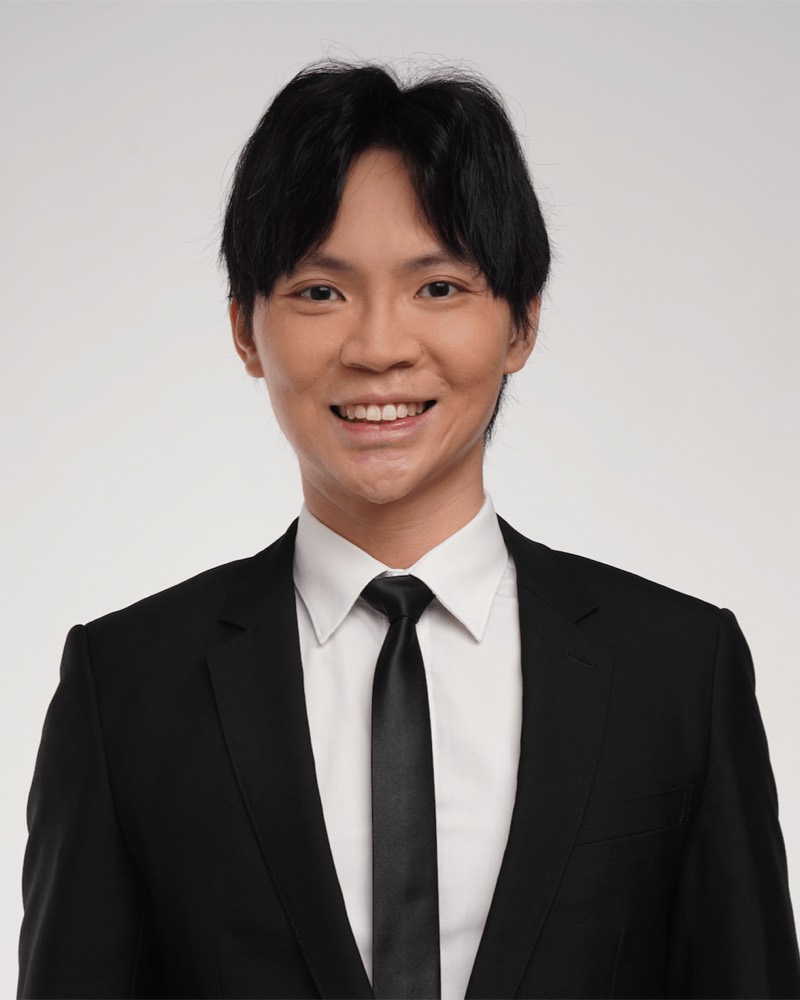
— Darren Tay, 2016 World Champion of Public Speaking, Founder, Public Speaking Academy
It's the same message from three directions. A panel isn't grading fluency. It's checking whether the interest is real, and whether this particular child fits this particular school. That's why "how their eyes light up when talking about their domain" counts for more than a tidy answer — you can't memorise your way into genuine enthusiasm, and interviewers know it when they see it.
What coaching can — and can't — change
A fair question for any parent weighing up interview coaching: how much does it actually change? Reginald's answer draws a careful line.
"Coaching shouldn't 'change' the student, but it radically changes their confidence and self-awareness. Effective coaching strips away the anxiety of the unknown and teaches students how to think on their feet, transforming a terrified, tight-lipped candidate into one who can articulate their genuine passion naturally."
— Reginald Thio, Founder, Ryse Education

Good preparation isn't about loading better answers into a child. It's about removing the fear that stops them from showing what's already there. A nervous, tight-lipped child and a composed one can be the same child; the difference is whether the anxiety has been dealt with.
The one thing families can do at home
Not everyone hires a coach, and Siew Ling's most practical advice costs nothing. Asked for one simple thing a family can do at home, she pointed not to practice drills but to a change in mindset:
"The most important thing a family can do is to align on the objective. Don't treat the DSA interview as a one-off hurdle to clear. Instead, see it as an opportunity to build a lifelong skill. When the focus is on learning rather than simply getting into a school, children become more confident, less anxious, and much more willing to practise and improve."
It's a small change that does a lot of work. Much of the pressure a child feels comes from the family treating the interview as a make-or-break gate. Move the goal from "get in" to "get better at talking about what you love," and — by her account — the anxiety that makes children freeze starts to ease on its own. And a calmer, more natural child is exactly what all three coaches said schools respond to in the first place.
If you want something concrete to actually do in the fortnight before an interview, Darren offers one drill — and notably, it is not rehearsing model answers:
"One of the most effective exercises is to hold short, five to ten-minute mock interviews each day using unpredictable follow-up questions. … After each response, ask a follow-up question to simulate the natural flow of an interview. This helps children become comfortable managing pressure instead of fearing it."
— Darren Tay, 2016 World Champion of Public Speaking, Founder, Public Speaking Academy
The point of the drill isn't to polish answers — it's the opposite. By making the questions unpredictable, you train the one thing a script can't give a child: the ability to stay composed when the panel asks something nobody prepared for.
What this means for you
- Stop scripting. All three coaches independently flagged the memorised, over-polished answer as the single biggest mistake. A rehearsed 12-year-old sounds rehearsed. Aim for genuine, not perfect.
- Grow the real interest, not the performance. Schools are reading for authentic enthusiasm and fit with their environment. That's built over time by letting a child actually enjoy their talent area — not assembled the week before.
- Treat nerves as the real problem. The gap between a "terrified, tight-lipped candidate" and a confident one is often just anxiety. A five- to ten-minute daily mock interview with unpredictable follow-up questions does more than drilling model answers — it trains composure, not scripts.
- Reframe the goal at home. Align the family on "build a lifelong skill," not "a one-off hurdle to clear." Lower pressure tends to produce the calm, natural child schools respond to.
If your child's interview calls are coming, our DSA interview prep guide walks through what to expect and how these interviews are actually run. For more coach voices, read an English principal on the signal that makes a panel lean in and what badminton, Bharatanatyam and debate coaches all agreed on. If you're still mapping out the process, start with What is DSA-Sec?, and to see how ordinary families have navigated it, read real DSA experiences. To check which schools offer your child's talent this year, use the DSA-Sec School Finder.
With thanks to Reginald Thio (Founder, Ryse Education), Siew Ling Hwang (Founder & Interview Skills Coach, Discovering Potential), and Darren Tay (2016 World Champion of Public Speaking, Founder, Public Speaking Academy) for sharing their perspectives. Quotes are published with permission. Coaches' observations reflect their own experience and are not official MOE criteria. DSALink is an independent resource and is not affiliated with MOE.
Free · No spam
Get DSALink updates
New DSA guides on schools, interview prep and coaches, sent to your inbox from time to time. No spam.
Follow us
Daily DSA tips, school news, and quick guides across: