28 June 2026
What Do Schools Really Look For in a Sports DSA? Three Singapore Coaches Explain
Fast times and big wins are only part of the story. Three Singapore coaches — across track and field, tennis and rhythmic gymnastics — share what actually separates the children who clear a sports DSA trial from those who don't.

If your child is strong at a sport, the Direct School Admission (DSA) route can feel like a black box. Parents hear that it comes down to raw ability — fast times, big wins, the right rankings — and assume the rest takes care of itself. Coaches who actually prepare children for these trials tell a more interesting story.
We asked three of them the same questions. Tan Wei Leong is Founding President and Head Coach of Club ZOOM Track & Field, an NROC Master Coach who has sent numerous athletes to leading secondary schools and the Singapore Sports School. The team behind Jun Tennis Academy has guided players into top schools through tennis. And Bianka Panova Academy trains rhythmic gymnasts who have gone on to DSA offers. Three different sports; much of what they said overlapped.
On the day of the trial: it's not only the performance
All three coaches were clear that what happens around the performance often makes the difference.
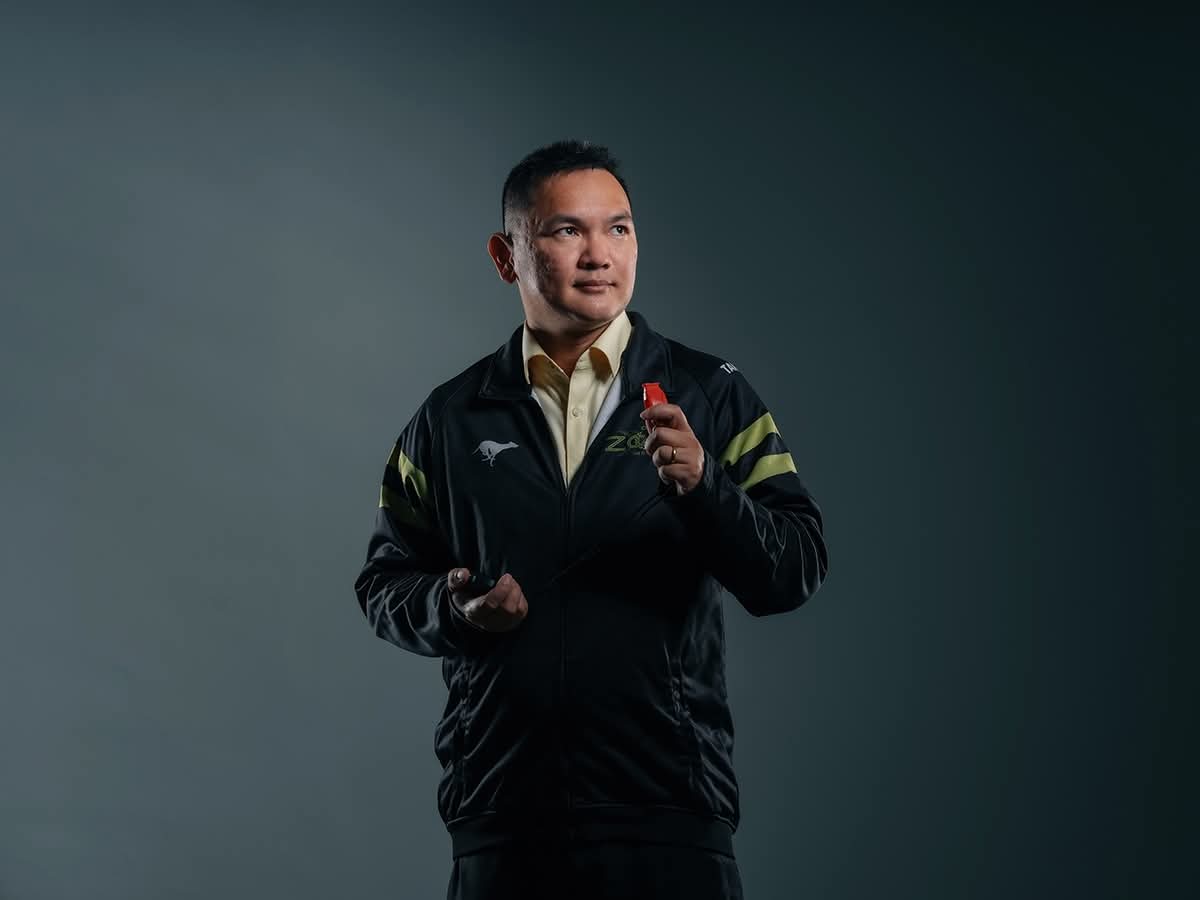
For track and field, Tan looks beyond the stopwatch:
"Athletic performance is important, but what often stands out is how an athlete carries themselves throughout the trial. Schools observe movement quality, running, jumping and throwing fundamentals, coachability, confidence, discipline, and how well athletes respond to instructions and challenges. A child who performs consistently with a positive attitude often leaves a stronger impression than one who relies solely on natural talent."
— Tan Wei Leong, Founding President & Head Coach, Club ZOOM Track & Field
In tennis, the same point came back in one sharp line — about nerves:
"Usually the trials have skill tests and matchplay. Winning and performing well without being nervous is key. Nervous during trials = nervous during actual NSG matches."

Bianka Panova Academy, in rhythmic gymnastics, named the same quality from a different angle:
"Confidence and the ability to think quickly under pressure are key."
That all three named some version of the same thing is worth sitting with. A trial isn't just a test of skill; it's a preview of how a child will hold up when it counts. Composure under pressure is part of what's being scouted.
Beyond raw ability: character, fit, and the bigger picture
Ask what schools weigh besides physical talent, and all three widen the lens.
Tan's answer points at leadership and the four-year view:
"Schools are selecting future student-athletes and future leaders. Besides physical ability, they look for strong character, resilience, teamwork, leadership potential, communication skills, learning attitude, and the ability to balance sport with academics."
The tennis side raised something less obvious — and, they noted, especially true at girls' schools: social fit.
"Some schools see if you can click with the seniors. Especially girls' schools. So being very sociable is key during the interviews with seniors or teachers or the coach."
— Jun Tennis Academy
Bianka Panova Academy pointed to leadership too — and to something the other two didn't mention:
"Schools often look for leadership skills and a high level of creativity."
— Bianka Panova Academy
In other words, a panel isn't only asking "can this child play?" It's asking "will this child fit our culture, lead a team, contribute something of their own, and still keep up academically?" Those are answered as much in how a child speaks and carries themselves as in how they perform.
What the children who get in have in common
Here the coaches diverged in tone — and one was unusually candid.
Tan describes a long arc, not a peak:
"The athletes who succeeded shared several common traits. They built strong fundamental movement skills before specialising, trained consistently over the long term, embraced regular assessment and testing, and actively sought opportunities to grow through competitions, leadership development, and overseas exposure. Most importantly, they consistently demonstrated humility, perseverance, discipline, resilience, and respect — qualities that schools value just as highly as medals and timings."
Jun Tennis was blunt about what their successful players shared on paper:
"To be honest, they all were Singapore tennis ranked 30 and below, mostly top 10. And they all had PSLE scores of 10 to 4. I would be lying if I said otherwise."
— Jun Tennis Academy
A necessary caveat here: that ranking-and-PSLE pattern is one coach's candid observation of his own players, not an MOE rule or a published cut-off. There is no official tennis ranking requirement for a DSA, and schools vary widely. Read it as a reality check — strong sporting talent rarely replaces academics entirely — rather than a threshold to chase.
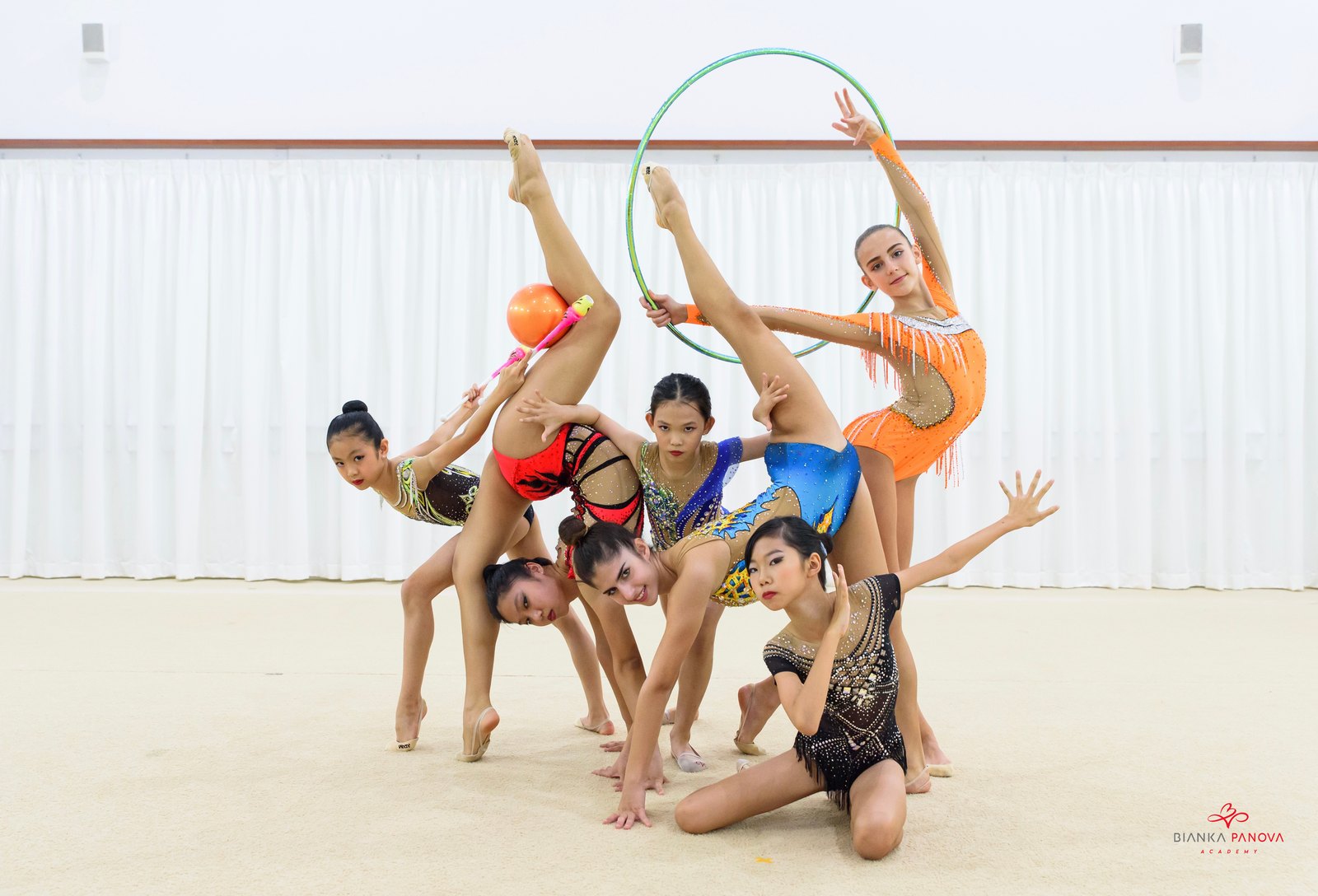
Bianka Panova Academy described the shared trait of their successful gymnasts in similar terms to Club ZOOM:
"Beyond their results, the gymnasts we have coached who earned DSA offers consistently demonstrated resilience and dedication throughout their training process."
— Bianka Panova Academy
"Process Before Podium"
The thread running through all three conversations is patience. Tan put it most directly:
"Start early and trust the long-term development process. A strong DSA portfolio cannot be built within a year. […] The strongest DSA candidates are those who demonstrate continuous improvement over several years, rather than achieving short-term success."
Club ZOOM's philosophy, in his words, is "Process Before Podium" — the idea that DSA success isn't about producing the fastest 12-year-old, but about developing a well-rounded young person with strong foundations, character, and room to keep growing through secondary school.
What this means for you
- Treat the trial as a whole, not just a performance. Coachability, composure, and attitude are being watched alongside the skill itself. A child who listens, resets after a mistake, and stays positive can out-impress a more talented child who doesn't.
- Develop the person, not just the athlete. Leadership roles, teamwork, communication, and the ability to juggle training with schoolwork are part of what panels reward — especially for the four years ahead.
- Start early and play the long game. All three coaches independently pointed the same way: a credible record is built over years of steady improvement, not in a final-year sprint.
- Keep academics in view. Sports DSA opens doors, but it rarely replaces the books. Build the talent and the grades.
For a deeper look at exactly what trials assess in each of these sports, see our talent guides for track and field, tennis, and gymnastics. To see which schools offer your child's sport this year, use the DSA-Sec School Finder; if you're new to all of this, start with What is DSA-Sec?; and when the calls come, our DSA interview prep walks through what to expect.
With thanks to Tan Wei Leong (Founding President & Head Coach, Club ZOOM Track & Field), Jun Tennis Academy, and Bianka Panova Academy for sharing their perspectives. Quotes are published with permission. Coaches' observations reflect their own experience and are not official MOE criteria. DSALink is an independent resource and is not affiliated with MOE.
Free · No spam
Get DSALink updates
New DSA guides on schools, interview prep and coaches, sent to your inbox from time to time. No spam.
Follow us
Daily DSA tips, school news, and quick guides across: